
MOMMY MAKEOVER
A "mommy makeover" is a series of cosmetic procedures intended to help women restore their bodies after pregnancy and childbirth. This type of makeover often focuses on the areas that undergo the most changes during and after pregnancy, such as the breasts, abdomen, waist and sometimes the thighs and buttocks. Here are some common procedures that can be part of a mommy makeover:
Liposuction: This can be used to remove excess fat from areas such as the abdomen, back, hips, thighs and buttocks.
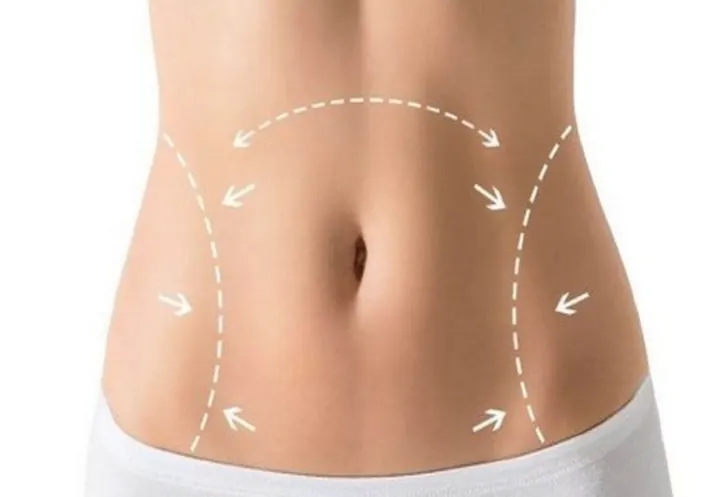
Tummy tuck (abdominoplasty): This helps to remove excess skin and fat from the abdomen and to tighten the muscles.
Breast augmentation or breast lift: These procedures help to restore the volume and firmness of the breasts that have been lost through breastfeeding and pregnancy.
Breast reduction: Sometimes pregnancy can lead to unwanted breast enlargement, and in that case a breast reduction can help. A mommy makeover is usually performed in a single operation, but this can vary depending on the patient’s health and goals. Recovery can take some time, ranging from a few weeks to a few months, depending on the extent of the procedures. Before you decide to undergo a mommy makeover, it is important to have a detailed consultation with a qualified plastic surgeon. Our qualified plastic surgeon can help you determine the best procedures for your situation and inform you about the risks and the recovery process. If you have any further specific questions about a mommy makeover, please let us know!
Aftercare
After a mommy makeover operation, it is important to follow your surgeon’s instructions carefully to ensure a smooth recovery. Here are some general guidelines on what you should and should not do.
What you should do: Rest: Make sure you get enough rest and avoid stressful activities. Rest helps your body to recover. Follow the post-operative instructions: Follow all of your surgeon’s instructions closely, including taking prescribed medication, wearing compression garments and caring for the wound.
Hydrate: Drink enough water to stay hydrated, which is essential for the healing process.
Healthy diet: Eat a balanced diet rich in protein, vitamins and minerals to promote recovery.
Light activity: After a few days you can start with light walks to improve blood circulation and reduce the risk of blood clots.
Avoid smoking and alcohol: Smoking and alcohol can slow down the healing process and cause complications. It is best to avoid them completely during your recovery.
What you should not do: Avoid lifting and exertion: Avoid heavy exertion and lifting heavy objects (including children) for at least 4-6 weeks, depending on the specific procedures you have undergone.
Do not bathe or swim: Avoid bathing, swimming or submerging your wounds in water until your surgeon says it is safe. This helps to prevent infections.
No intense physical activity: Avoid intense physical activity, including sport and heavy housework, until you have fully recovered and your surgeon gives you permission.
Avoid sun exposure: Do not expose the scars to the sun, to prevent discolouration. Use sun protection on the scars when you go outside.
No tight clothing: Avoid tight clothing that can press on the surgical sites and cause irritation. Recovery can differ from person to person, and it is essential to stay in regular contact with us and to discuss any concerns or symptoms you notice during your recovery. By following your surgeon’s guidelines and taking good care of yourself, you can contribute to a successful recovery and achieve the desired result.
We work with renowned plastic surgeons from Turkey who have a very good reputation and a great deal of experience in their speciality.
Would you like more information about aesthetic surgery or plastic surgery? Take a look at our other pages. Can’t find what you are looking for? Then please contact us, without obligation, by e-mail, via our contact form or by telephone: +31 634147027. We will be happy to help you further.
This information is general and does not replace medical advice. Every patient is assessed individually: after a detailed conversation it is determined whether a treatment is suitable for you.